Understanding how often should you have a dental check-up is one of the most common questions among patients who want to maintain good oral health over time. Many people only see a dentist when pain appears or when a problem becomes obvious, but regular check-ups are actually one of the most important tools for preventing dental and gum issues.
A dental check-up allows potential problems to be detected early, when they are easier to manage. Tooth decay, gum inflammation, or tooth wear often begin without clear symptoms and can only be identified through a professional examination.
At Archway Dental Group Ltd in Archway, first appointments and routine check-ups are designed to assess oral health in a comprehensive way. During the visit, important information is collected about the patient, and the teeth, gums, and bite are carefully evaluated.
In this article, we will cover:
- how often a dental check-up is generally recommended
- what happens during a first dental visit
- how long a dental appointment usually lasts
- when it is important to book a check-up
- why routine check-ups are essential

How Often Should You Have a Dental Check-up at Different Ages?
When it comes to how often you should have a dental check-up, there is no single answer that applies to everyone. The ideal frequency can vary depending on age, oral health, and lifestyle habits.
In general, for many people it is advisable to have a check-up around once or twice a year. This allows the dentist to monitor the situation and detect any changes early.
However, some patients may need more frequent appointments, for example:
- people with periodontitis or ongoing gum problems
- patients with multiple fillings or dental prostheses
- individuals who are more prone to tooth decay
- patients undergoing orthodontic treatment
Age can also influence how often check-ups are recommended.
Children and teenagers
During growth, it is important to monitor tooth development and the eruption of permanent teeth. Regular check-ups help ensure teeth are coming through correctly and can identify whether orthodontic treatment may be needed.
Adults
For adults, routine check-ups help prevent problems such as tooth decay, tooth wear, and gum inflammation.
Older adults
As we get older, monitoring gum health and the structures that support the teeth becomes increasingly important.
Regular check-ups help maintain oral health over time and reduce the risk of more complex treatments.
What Happens During a Dental Check-up?
Many patients wonder what actually happens during a routine dental check-up.
A dental check-up is not only about looking for cavities — it is a full assessment of oral health.
During the appointment, the dentist may:
- examine teeth and gums
- check for tooth decay or lesions
- assess the condition of fillings or prosthetic work
- evaluate gum health
- analyse how the teeth meet when biting
This stage is important because it helps identify potential issues before they become more complex.
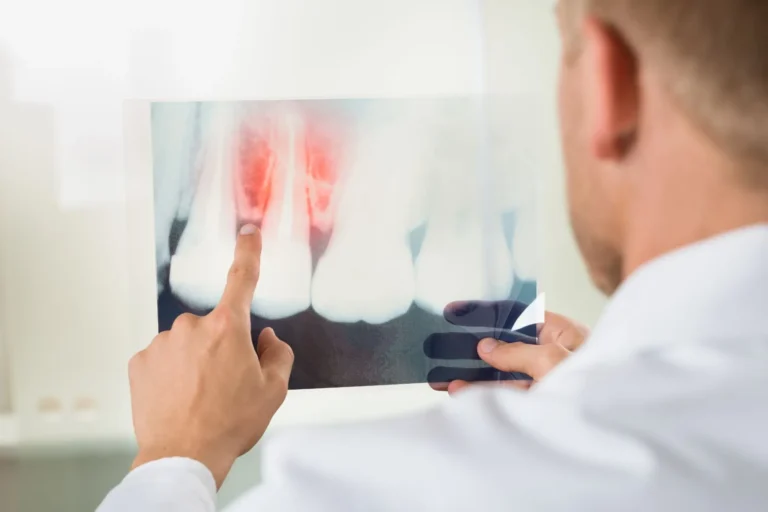
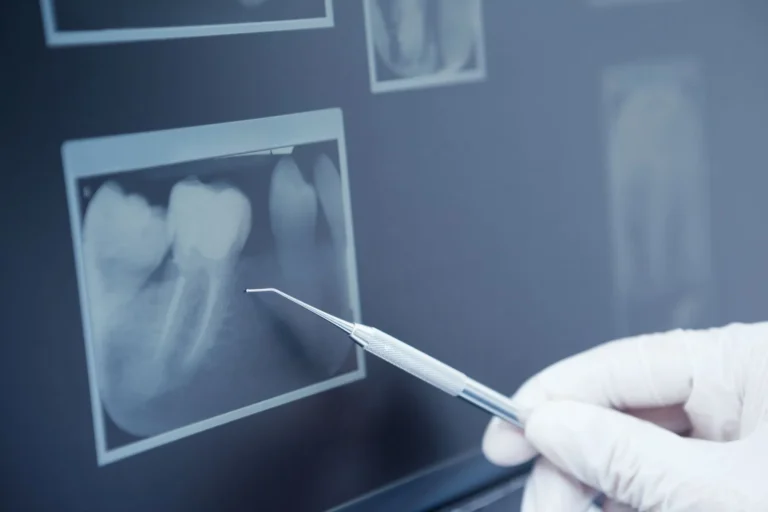
In some cases, the dentist may recommend diagnostic exams such as digital X-rays, which are useful for assessing areas that are not visible to the naked eye.
During the appointment, patients may also receive personalised advice on:
- brushing techniques
- how to use interdental cleaning (e.g., floss)
- prevention of decay and gum disease
This guidance helps patients maintain good oral hygiene at home.
How Long Does a Dental Check-up Take?
Another common question is how long a dental appointment usually lasts.
The length of a check-up can vary depending on factors such as:
- the complexity of the oral situation
- the presence of symptoms
- whether diagnostic tests are needed
In general, a check-up may take around 20 to 40 minutes.
During this time, the dentist can examine the mouth carefully and discuss any symptoms or concerns with the patient.
If it is a first appointment at the practice, it may take a little longer because the dentist will need to gather information about the patient’s medical and dental history.
At Archway Dental Group Ltd in Archway, patients are often sent a medical history questionnaire before the appointment. This helps the team understand the patient’s situation in advance and organise the visit more efficiently.
When to Book a Dental Check-up and How to Do It
Many people ask how to book a dental appointment and when the right time is to do so.
In reality, there is no need to wait for pain or discomfort before booking a visit. Routine check-ups are important precisely because they help detect issues early.
It is advisable to book a check-up:
- if it has been more than a year since your last visit
- if you have tooth pain or sensitivity
- if you notice bleeding gums
- if you feel a tooth is becoming loose
- if you see changes in tooth colour
Booking a check-up even when you have no symptoms allows the dentist to monitor oral health over time and intervene early when needed.
Why It Matters to See a Dentist Even Without Pain
Many patients delay visits because they believe a dentist is only necessary when there is pain. In reality, many dental issues develop without obvious symptoms at first.
For example, tooth decay may start as a small lesion that causes no discomfort. Over time, however, it can progress and affect deeper layers of the tooth.
The same applies to gum disease, which often begins with mild inflammation and may worsen over time if untreated.
Regular dental visits help patients:
- detect problems early
- maintain healthy gums
- monitor existing dental restorations
- receive personalised prevention advice
Prevention is one of the most important aspects of long-term oral health.
How Often Should You Have a Dental Check-up? Conclusion
Understanding how often you should have a dental check-up is essential for keeping teeth and gums healthy over time.
Routine check-ups allow the dentist to monitor oral health, detect early signs of issues, and provide useful prevention guidance.
The recommended frequency varies from person to person, but in most cases, regular check-ups throughout the year are advised to assess the condition of teeth and gums.
At Archway Dental Group Ltd in Archway, the first visit is an important opportunity to get to know the patient, evaluate oral health, and plan any prevention or treatment pathway in a personalised way.
Discussing your individual situation with your dentist helps you receive tailored recommendations and take care of your oral health with greater awareness.
📞 +44 02072726818
💬 +44 007766126023
✉️ reception@archwaydentalgroup.co.uk
📍 34 St John’s Way, Archway, London, N19 3RR