After having dental veneers fitted, it is perfectly normal to wonder whether some of your everyday habits need to change. One of the most common questions concerns dental floss with veneers: can you continue flossing normally, or is there a risk of damaging or dislodging them? Cleaning between your teeth remains an important part of your oral hygiene routine after cosmetic dental treatment, as a toothbrush alone cannot reach every tooth surface.
At Archway Dental Group in Archway, we pay particular attention to the long-term care of dental veneers and explain how patients can look after their teeth and gums at home. Good oral hygiene is not only about maintaining the appearance of your smile. More importantly, it helps protect the natural teeth and gum tissues that support your veneers.
Can you use dental floss with veneers?
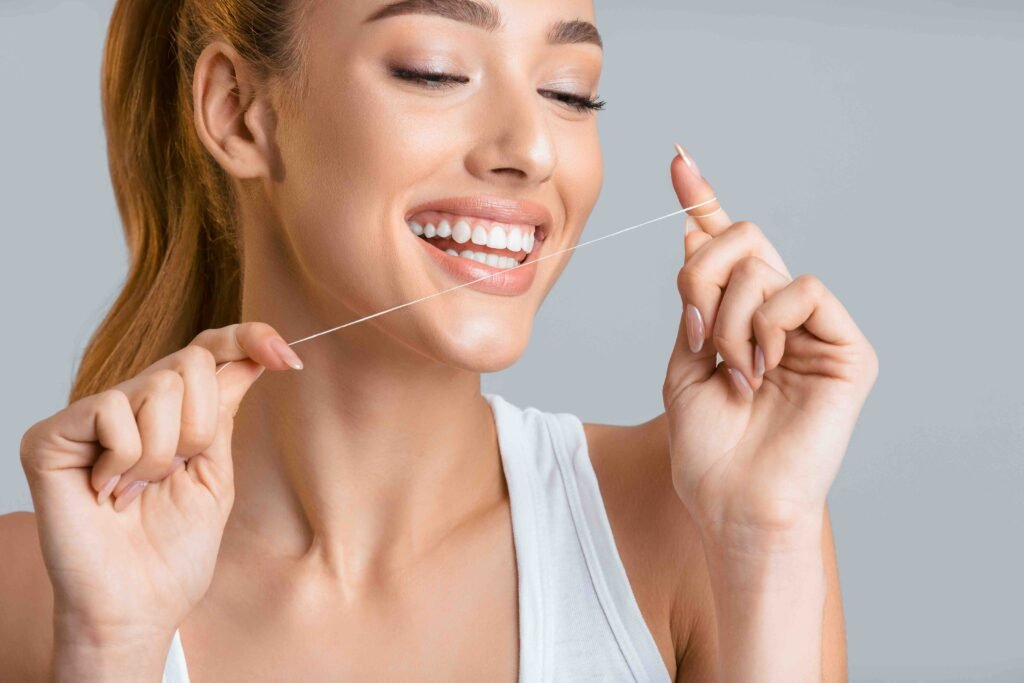
In general, yes: you can floss when you have dental veneers, and interdental cleaning remains an important part of your daily oral hygiene routine. Veneers mainly cover the visible front surface of the teeth and do not remove the need to clean plaque and food debris from between them. These areas can be difficult to reach with a toothbrush alone, which is why they require specific attention. However, the most suitable cleaning method and technique should be chosen according to the characteristics of your smile and the treatment you have received.
A properly fitted veneer should not simply come away because you floss as instructed by your dentist. However, this does not mean that you should use sudden movements, force the floss through particularly tight spaces or pull aggressively against the edge of a veneer. Technique is just as important as regular cleaning. Following treatment, your dentist or dental hygienist can show you how to insert and move the floss correctly and assess whether another interdental cleaning aid might be more appropriate in certain areas.
Avoiding floss altogether because you are worried about damaging your veneers is therefore not a good strategy. Allowing plaque to build up between the teeth can contribute to gum inflammation and problems affecting the underlying natural teeth. The aim is to find a cleaning technique that is both effective and gentle and suited to your individual needs.
How should you floss with veneers without damaging them?
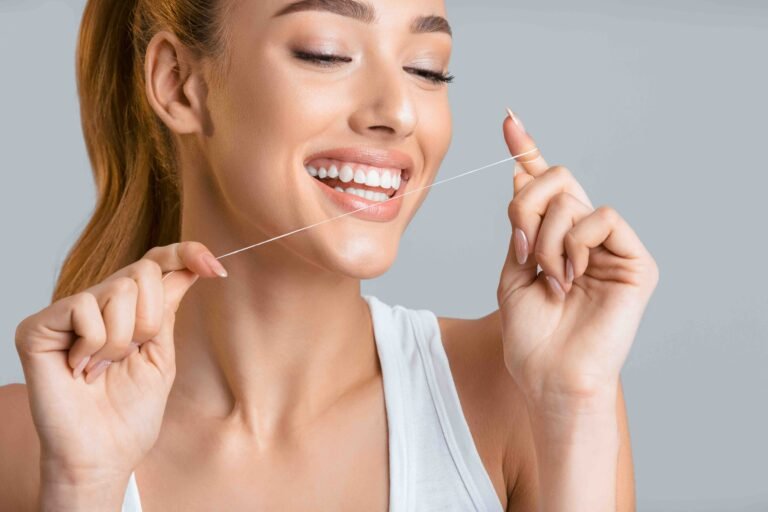
Dental floss should be guided gently into the space between two teeth rather than snapped suddenly down towards the gum. Once the floss has entered the interdental space, it can be carefully adapted against the side of the tooth and moved in a controlled way along its surface. The aim is not to apply force, but to remove plaque from areas that a toothbrush cannot easily reach. An overly aggressive technique can irritate the gums even in people who do not have veneers.
The appropriate technique may vary according to the position of the veneers, the shape of the spaces between the teeth and the characteristics of their margins. For this reason, it is not advisable to copy techniques found online without knowing whether they are suitable for your mouth. If the floss repeatedly frays, becomes trapped or suddenly stops passing through a space where it previously moved easily, it is best not to force it and to ask your dentist to check the area. A change like this may be worth assessing professionally.
It is also important not to use needles, metal objects, sharp instruments or improvised tools to remove food trapped between the teeth. Doing so could injure the gums or damage teeth and dental restorations. Home care should remain simple and controlled. If something does not feel right, the solution is not to apply more force but to identify the cause with your dental professional.
Why is interdental cleaning important when you have veneers?
Dental veneers can improve the appearance of the shape, colour and proportions of the teeth, but underneath the restoration there is still a natural tooth that needs to be looked after. The gums must also remain healthy. Bacterial plaque tends to accumulate in areas that are more difficult for a toothbrush to reach, including between the teeth and close to the gumline. Neglecting these areas may contribute to bleeding, inflammation and other oral health problems.
This is particularly important because the appearance of a smile with veneers does not depend on the veneers alone. Healthy gums contribute to the overall harmony of the smile, while effective maintenance helps preserve the tissues surrounding the treated teeth. Toothbrushing and interdental cleaning therefore have complementary roles: brushing cleans the more accessible surfaces, while floss or other appropriate cleaning aids can reach different areas between the teeth.
Removing surface staining should also not be confused with proper oral hygiene. Trying to polish veneers at home or using abrasive substances does not effectively remove interdental plaque and may cause unwanted damage. At Archway Dental Group, preventive care can also include professional dental hygiene appointments, during which we can assess the condition of the teeth, gums and restorations and provide personalised advice for home care.
What should you do if dental floss gets stuck between your veneers?
If floss occasionally becomes stuck, the first rule is to avoid pulling it forcefully. Repeatedly tugging upwards or applying excessive pressure is not a good solution. Instead, try to remove it gently without putting unnecessary stress on the area and, if the problem continues to occur, ask your dentist to examine it. Floss becoming trapped does not automatically mean that there is a problem with a veneer, but recurring difficulties can be worth investigating.
Frequent fraying of the floss should also be taken into consideration. It may simply be related to the type of floss being used or the shape of the interdental space, but in some cases your dental professional may want to assess the contact points and restoration margins. The solution should not be to stop cleaning that space altogether. Your dentist or hygienist may recommend a more suitable interdental cleaning aid or demonstrate a different technique.
Persistent bleeding from the gums is another symptom that should not be ignored. Some bleeding can occur when the gums are inflamed, but if it continues or is accompanied by swelling, discomfort or other changes, a dental assessment is advisable. Using mouthwashes or other products without understanding the cause may temporarily mask a problem rather than address it. Monitoring gum health is an important part of looking after dental veneers.
How should you clean teeth with veneers every day?
Having veneers does not mean that you should clean your mouth less thoroughly because you are afraid of damaging them. On the contrary, a consistent oral hygiene routine is essential. Regular brushing with an appropriate technique should be combined with daily cleaning between the teeth, following the advice given by your dental professional. Excessive pressure is unnecessary: effective cleaning depends on technique and consistency rather than force.
For some patients, dental floss may be the most appropriate option, while certain spaces may be better cleaned with correctly sized interdental brushes or other aids recommended by a dental hygienist. There is no single tool that is ideal for every patient or even for every interdental space within the same mouth. It is particularly important not to force an interdental brush that is too large or choose rigid tools yourself in the belief that greater pressure will provide better cleaning.
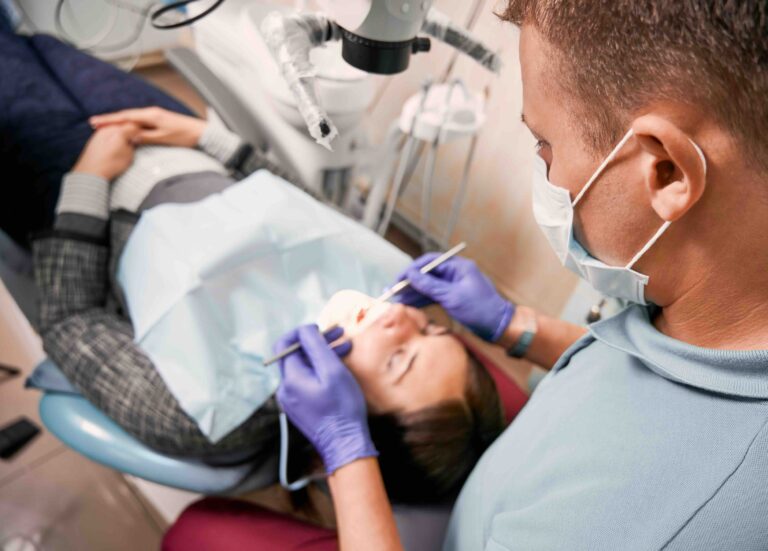
Professional hygiene appointments also form part of long-term maintenance. At Archway Dental Group, we use AirFlow technology, which combines air, water and very fine powders as part of professional dental hygiene treatment when clinically appropriate. Regular appointments also allow the condition of your gums and veneers to be monitored over time, with home-care recommendations adjusted if your needs change.
Can you eat normally with dental veneers?
Once the initial period specified by your dentist has passed, veneers are designed to become part of the normal function of your mouth. However, this does not mean that potentially damaging habits are advisable. There is an important difference between eating normally and using your teeth as tools. Biting extremely hard objects, cracking shells, opening packaging with your teeth or chewing non-food items should be avoided, both to protect veneers and to safeguard your natural teeth.
After eating, food debris can collect between teeth with veneers just as it can between untreated teeth. When recommended and used correctly, dental floss can help remove this debris and, more importantly, disrupt plaque. However, if food repeatedly becomes trapped in exactly the same area, simply forcing floss through the space is not the best approach. Repeated food trapping in one particular area can be assessed by your dentist to determine why it is happening.
DIY methods for “whitening” or polishing veneers after consuming strongly coloured foods or drinks should also be avoided. Abrasive products, inappropriate use of bicarbonate of soda or other substances that have not been professionally recommended may affect surfaces or irritate oral tissues. If you notice a change in the appearance of your veneers over time, it is better to discuss it during a professional dental appointment.
Dental floss with veneers: how can you protect your smile over time?
Using dental floss with veneers correctly is not something to be afraid of. When your dental professional considers floss suitable for your individual situation, it can be an important part of maintaining good oral hygiene. The key is to avoid aggressive movements, never force floss through an area where you encounter unusual resistance and pay attention to signs such as persistent bleeding, repeated fraying of the floss or changes in the spaces between your teeth.
Veneers should be cared for as part of a broader preventive routine that includes daily oral hygiene, interdental cleaning, professional hygiene appointments and regular dental check-ups. At Archway Dental Group, we can assess your veneers, gum health and interdental spaces and explain which techniques and cleaning aids are most appropriate for looking after your smile every day.
📞 +44 02072726818
💬 +44 007766126023
✉️ reception@archwaydentalgroup.co.uk
📍 34 St John’s Way, Archway, London, N19 3RR