Today, people who want to straighten their teeth have more options than ever before. It is therefore natural to wonder the difference between fixed braces and clear aligners and which solution might be more suitable. Understanding the Difference Between Fixed Braces and Clear Aligners helps patients make more informed decisions. The answer depends on several factors: the type of misalignment, treatment goals, daily habits, and most importantly a professional clinical assessment.
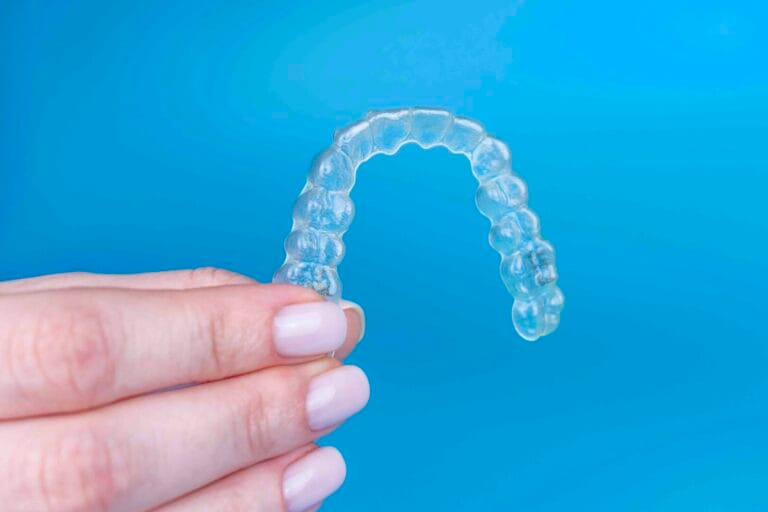
One important clarification: when discussing orthodontics with aligners, people often refer to them as “invisible braces.” In dentistry, however, it is more accurate to describe them as clear aligners or transparent aligners, because they are discreet but not completely invisible.
At Archway Dental Group Ltd in Archway, orthodontic treatments are planned using an educational and empathetic approach, helping patients understand the advantages and limitations of each option. With the use of an intraoral scanner and digital planning, impressions are more comfortable and patients can gain a clearer understanding of the treatment process.
In this guide, we will explore common questions such as:
- what fixed braces are
- what clear aligners are
- how both systems work
- how they affect daily life (hygiene, food, comfort)
- how long treatment typically lasts
- when one option may be more suitable than the other
What Fixed Braces Are and How They Work
To understand the difference between fixed braces and clear aligners, it is helpful to start with the basics. Fixed braces are an orthodontic system that uses brackets attached to the teeth and connected by a wire. Through controlled forces, this system gradually moves the teeth into the desired position.
How do fixed braces move teeth?
The orthodontic wire applies continuous pressure to guide the teeth. During regular check-ups, the dentist adjusts the wire and activates the appliance according to a structured treatment plan.
Fixed braces may be recommended in many situations, particularly when very precise control of tooth movement is required. One practical advantage is that they do not depend on patient compliance in terms of wearing them — since they are fixed in place, they work 24 hours a day.
However, they do require careful oral hygiene, as cleaning around brackets and wires can be more challenging. For this reason, it is important to learn the correct cleaning techniques and attend regular check-ups and professional hygiene appointments.
What Clear Aligners Are and How They Work
Clear aligners are removable orthodontic devices designed to move teeth gradually and predictably.
How do clear aligners work?
Patients wear a series of custom-made aligners, each designed to create small tooth movements. By wearing them consistently, the teeth gradually shift into the planned position.
At Archway Dental Group Ltd in Archway, treatment planning may begin with a digital scan using an intraoral scanner, which provides a comfortable and precise digital impression. Depending on the case, patients may also be able to view a digital preview of the expected results, helping them better understand the treatment process.
An important point to remember is that aligners are removable. This means patient cooperation is essential. If they are not worn for the recommended number of hours each day, the treatment may slow down or not progress as expected.
Difference Between Fixed Braces and Clear Aligners in How They Work
The key difference between fixed braces and clear aligners lies in how they apply orthodontic forces.
Fixed braces
- continuous force that is always active
- direct and precise control of tooth movement
- do not depend on patient compliance
- require extra care with oral hygiene
Clear aligners
- gradual force through a series of aligners
- treatment based on digital planning and programmed stages
- removable, allowing more flexibility with eating and cleaning
- depend on consistent wear
In practical terms, both systems can be effective, but they work in different ways: fixed braces operate continuously because they are always in place, while aligners work when they are worn regularly as prescribed.
Can You Eat and Drink with Clear Aligners? Daily Life Considerations
One of the most common online questions is: can you eat with clear aligners?
Generally, aligners should be removed while eating. This prevents deformation of the aligners and avoids trapping food particles. For many patients, this can be an advantage because there are fewer mechanical food restrictions compared with fixed braces.
Can you drink with clear aligners?
Water is usually the safest choice. Hot or sugary drinks may increase the risk of staining or plaque build-up if consumed while wearing aligners.
With fixed braces, food is eaten with the appliance in place, but it may be advisable to avoid certain very hard or sticky foods that could damage brackets or wires.
In both cases, one rule remains essential: good orthodontic treatment is not only about moving teeth but also about maintaining healthy gums and clean teeth throughout the process.
How to Clean Clear Aligners and Fixed Braces
Many patients search online for how to clean aligners or how to clean retainers. Proper hygiene is essential to prevent unpleasant odours, plaque build-up, and gum irritation.
For clear aligners
- rinse them with lukewarm water (not hot)
- gently clean them with a soft toothbrush dedicated to the aligners
- avoid abrasive products or aggressive DIY methods
- store them in their case when not in use
For fixed braces
- brush carefully after meals
- pay special attention around brackets
- use interdental tools recommended by the dentist
- attend regular professional hygiene appointments
A common mistake is trying quick solutions found online, such as abrasive substances or unsuitable disinfectants. These may damage orthodontic appliances or irritate oral tissues. Professional guidance is always the safest option.
How Long Orthodontic Treatment Takes
Another frequent question is: how long does treatment last with clear aligners or fixed braces?
Treatment duration can vary significantly depending on:
- the type of malocclusion (crowding, spacing, deep bite, underbite, crossbite)
- the complexity of the case and patient goals
- gum and bone health
- consistency in following instructions (especially with removable appliances)
In some cases, early results with aligners may become visible relatively quickly, but achieving stable and long-lasting results always requires a complete and carefully monitored treatment process.
It is important to remember that in orthodontics, faster does not necessarily mean better. The priority is achieving a stable outcome while protecting teeth and supporting structures.
Do Clear Aligners Work? When They May Be Recommended
Online searches often include questions like “Do clear aligners work?” or “Are they worth it?”
The correct answer in dentistry is: it depends on the individual case.
Clear aligners may be a suitable option for:
- mild to moderate crowding
- gaps between teeth
- certain bite corrections (after careful evaluation)
- motivated patients who can follow wearing instructions consistently
In more complex cases, fixed braces may provide greater control of tooth movement, or a combination of techniques may be recommended.
At Archway Dental Group Ltd in Archway, the initial evaluation helps determine which tooth movements are needed and which system can achieve them most predictably.
Do Clear Aligners Hurt? What to Expect at the Beginning
A common question is: do clear aligners hurt?
It is normal to feel:
- a sensation of pressure
- mild discomfort during the first days of a new aligner
- slight sensitivity when chewing
These sensations indicate that the aligners are applying the necessary forces to move the teeth. The discomfort is usually temporary and tends to decrease as the mouth adapts.
However, if pain becomes intense, if cuts or irritation develop, or if there is a noticeable change in the bite, it is important to have the situation checked by a dentist. Orthodontic treatment should never involve ignoring persistent discomfort without professional evaluation.
Difference Between Fixed Braces and Clear Aligners: Conclusion
Understanding the difference between fixed braces and clear aligners helps patients make more informed decisions about orthodontic treatment. Both options can be effective, but they work in different ways and may suit different needs.
Fixed braces provide continuous force and are often recommended when highly precise control of tooth movement is required. Clear aligners offer greater flexibility in daily life and a digitally planned treatment pathway, but they require consistent wear and careful adherence to instructions.
The most important step is always a personalized clinical evaluation, as there is no single solution that suits everyone. At Archway Dental Group Ltd in Archway, orthodontic treatment is planned with a clear and patient-focused approach, helping individuals understand the process and the available options before starting their journey to a straighter smile.
📞 +44 02072726818
💬 +44 007766126023
✉️ reception@archwaydentalgroup.co.uk
📍 34 St John’s Way, Archway, London, N19 3RR